They might stop attending lessons, struggle with their behaviour, withdraw from the people around them, or lose confidence in their own abilities.
But behind disengagement, there is often a young person who is facing challenges they do not yet know how to manage.
At Lexia Education Services, we believe helping disengaged young people starts with something simple but powerful: building trust, understanding their experiences, and showing them that somebody believes in their future.
Through school-based mentoring and community outreach across South West England, we’re helping young people reconnect with education, develop confidence, and take positive steps forward.
Understanding Why Young People Disengage
Disengagement does not always happen overnight.
Sometimes it starts with missed lessons or a change in behaviour. Other times, a young person gradually stops participating, becomes withdrawn, or struggles to maintain positive relationships.
There can be many reasons, including:
-
Difficulties with emotional wellbeing or mental health.
-
Special educational needs and disabilities (SEND).
-
Social, emotional and mental health (SEMH) challenges.
-
Difficult experiences at home or in the community.
-
Low confidence, school anxiety or previous exclusions.
-
Feeling misunderstood or disconnected from education.
When these challenges are not properly understood, young people can become increasingly isolated from learning and the opportunities around them.
That’s why our approach at Lexia focuses on understanding the individual, rather than defining them by their behaviour or attendance.
Behind every young person’s behaviour is a story worth understanding.
Helping Disengaged Young People in Schools
Schools play a vital role in shaping young people’s futures. But some pupils need additional, personalised support to feel ready to engage.
Lexia works alongside schools and local authorities across the South West, providing mentoring support for young people experiencing barriers to education.
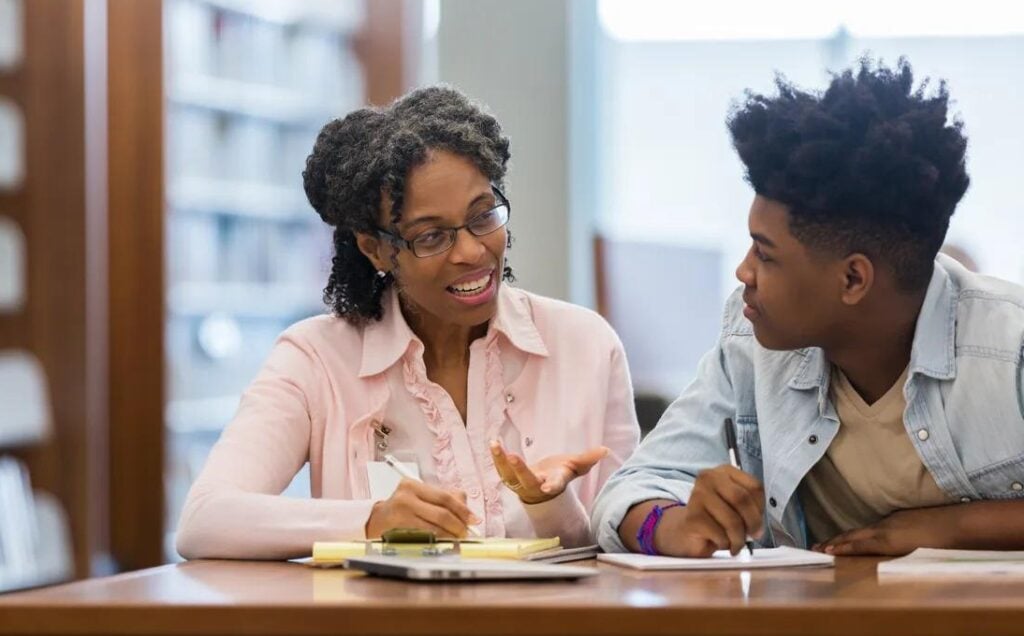
Our mentors work on building meaningful relationships that help pupils feel safe, understood, and supported.
This may involve:
-
Building trust through consistent one-to-one mentoring.
-
Helping pupils manage emotions and challenging situations.
-
Supporting positive behaviour and decision-making.
-
Encouraging attendance and engagement with learning.
-
Developing confidence, resilience and communication skills.
-
Helping young people recognise their own strengths.
The impact can begin with something small.
A young person who previously avoided conversations begins opening up. A pupil who struggled to manage their emotions starts using healthier coping strategies. Someone who felt disconnected from education begins considering their next steps.
These moments matter because meaningful progress often starts before it becomes visible in academic results.
On Lexia’s website, a school SEN Co-ordinator describes the mentors’ impact:
“It is hard to overstate the impact that the Lexia Mentors have had in our setting and the difference they have made to the lives of those young people.”
This feedback reflects the importance of trusted relationships within education.
Supporting Young People Beyond School
For some young people, the classroom is not the right starting point.
Anxiety, exclusion, unmet needs, or difficult personal experiences can make traditional learning environments feel overwhelming.
Our outreach approach allows support to happen beyond the school gates, including suitable community settings, helping young people rebuild confidence and positive routines at a manageable pace.
Rather than expecting immediate change, mentors work with young people to develop achievable goals.
This might begin with attending a planned activity, establishing a daily routine, learning to communicate more confidently, or exploring interests outside education.
Over time, these experiences can support a young person’s readiness to reconnect with learning.
Our approach recognises that progress looks different for everybody. For one young person, attending school may be the next milestone. For another, simply feeling comfortable engaging with a trusted adult may be a significant achievement.
Learn more about Lexia’s outreach support in Somerset.
Creating Lasting Community Connections
Lexia’s impact goes beyond individual mentoring sessions.
We believe young people benefit from seeing positive role models who understand their backgrounds, communities, and experiences.
That’s why we support local clubs and encourage people from different backgrounds, including athletes, to become mentors and inspire the next generation.
When a young person meets someone they can relate to, conversations can become easier. They may begin to see possibilities for themselves that once felt out of reach.
Lexia’s website highlights that 30% of its community comes from ethnic minority backgrounds, helping create a diverse network of mentors and tutors.
By connecting schools, families, community organisations, and positive role models, we’re working to create stronger support networks around vulnerable young people.
Lexia’s Impact: More Than Numbers
Behind every statistic is a young person with their own strengths, challenges, and ambitions.
According to the figures published on Lexia’s website, our community includes:
1,000+
Young people supported each week
500+
Mentors and tutors
200+
Newly trained mentors and tutors in 2024
30%
Community members from ethnic minority backgrounds
These figures show the scale of Lexia’s work across South West England. But the personal impact matters just as much.
It’s about helping young people feel more confident, supporting their relationships with education, and giving them access to adults who genuinely want to see them succeed.
Independent research also supports the value of mentoring. The Education Endowment Foundation’s mentoring evidence review reports an average positive effect equivalent to two additional months of academic progress, although outcomes vary between programmes.
It also highlights the importance of reliable mentors, structured support, and lasting relationships.
Why Consistency and Trust Matter
A strong mentoring relationship cannot be rushed.
Some young people have experienced repeated disappointment or difficulties trusting adults. They may need time before they feel comfortable sharing their thoughts.
At Lexia, we recognise the importance of patience, empathy, and showing up consistently.
We want young people to feel that their voices matter and that their experiences do not have to define their futures.
Because when young people begin believing in themselves, they can start making choices that support their wellbeing, relationships, and future opportunities.
Helping Young People Move Forward
Every young person deserves to feel that there is a place for them in education and their community.
Helping disengaged young people is not about expecting immediate results. It’s about taking time to understand their needs, recognising progress, and building the relationships that make positive change possible.
At Lexia Education Services, we’re proud to work alongside schools, local authorities, parents, and carers to make that support accessible to young people who need it.
Whether it’s rebuilding confidence, strengthening emotional wellbeing, or finding a route back into education, we believe every positive step deserves recognition.
If you’re supporting a young person who is struggling to engage with education, we’re here to help.
Discover more about Lexia’s mentoring services or get in touch with our team to explore how we can support a young person in your school or community.
Together, we can help more young people recognise their potential and move towards a future they feel excited about.